




Fall Music Activities for Kids: Movement, Listening, and Note Reading
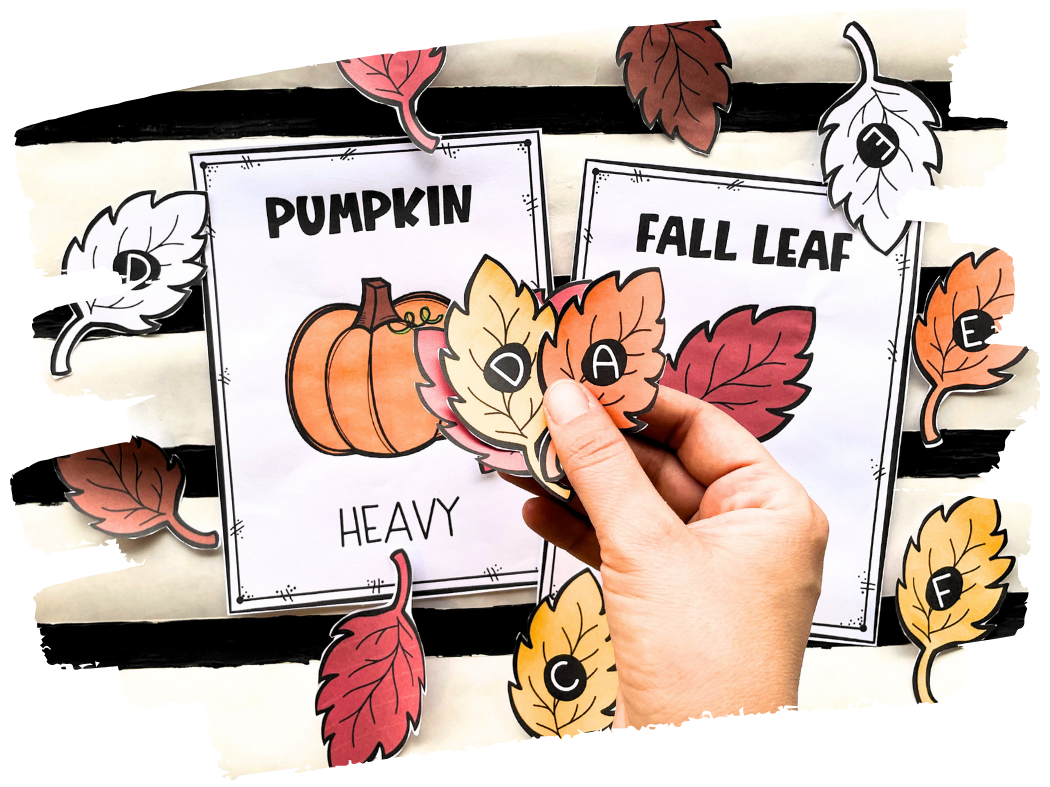
Fall music activities can be a wonderful way to bring seasonal themes into music lessons while still keeping musical learning at the center. Leaves are changing colors, falling, floating through the air, and moving with the wind. And all of those images can become wonderful starting points for exploring music with children. But when I use a seasonal theme, I don’t want the theme to become more important than the musical learning itself. Instead, I like to ask: How can this theme help children experience a musical concept in a
How to Teach Children to Read Music
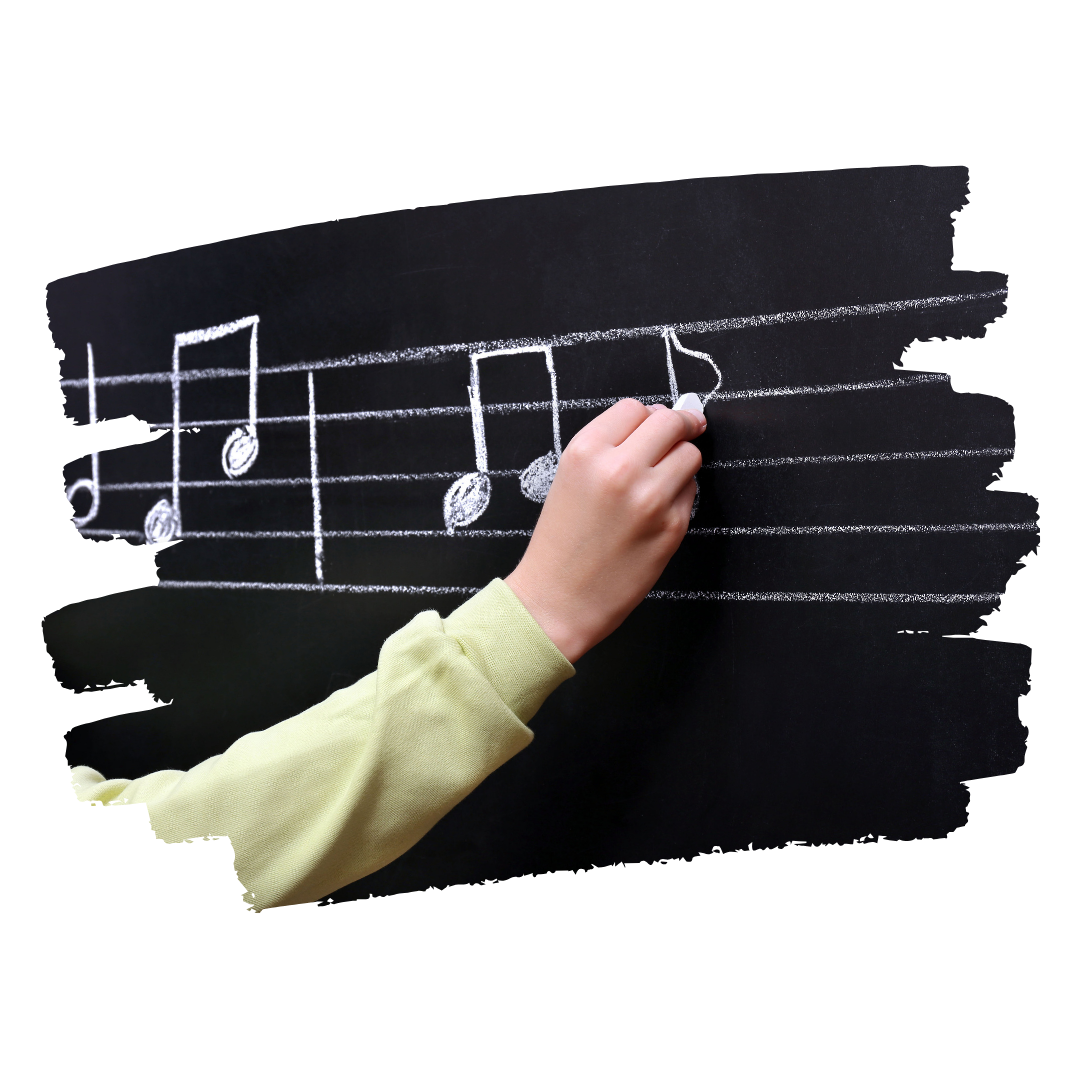
Learning how to teach children to read music is about much more than helping them memorize the names of the notes on the staff. Of course, students eventually need to recognize individual notes. But over the years, I’ve found that music reading becomes much more natural when children also understand what the notes are doing. Is the melody moving up or down? Is the pitch getting higher or lower? Are the notes repeating? Are they moving by step or by skip? These are some of the questions I explore with
How to Teach Music Theory in a Way Students Actually Understand
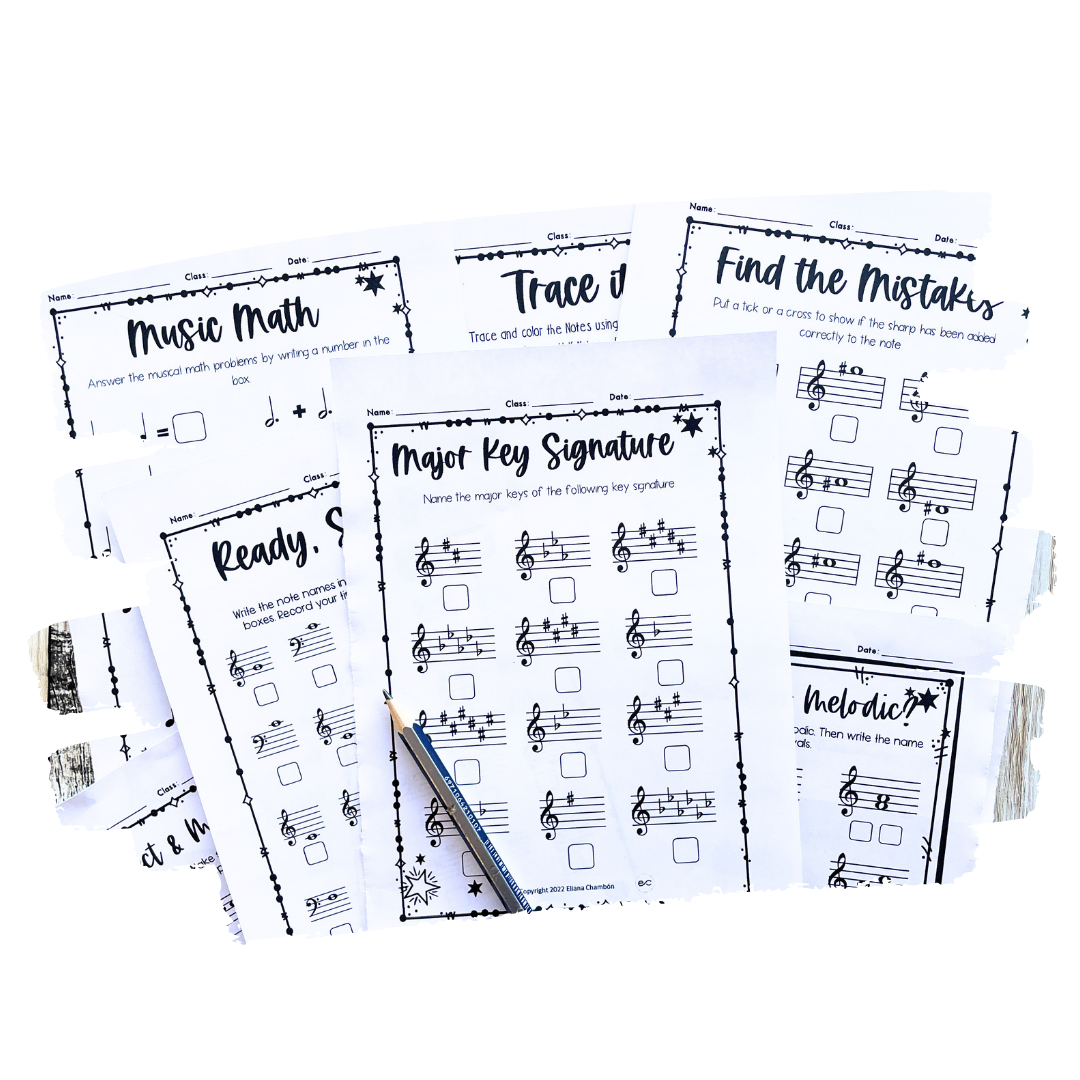
“Save this idea for later Learning how to teach music theory in an engaging way can feel challenging, especially with young beginners. Most students walk into music class excited to sing, move, play instruments, and participate in games. But as soon as notation appears, that excitement can disappear. Music theory quickly becomes something they think they have to memorize instead of something they get to experience. For years, I thought the answer was to find better worksheets. Eventually, I realized I was asking the wrong question. Instead
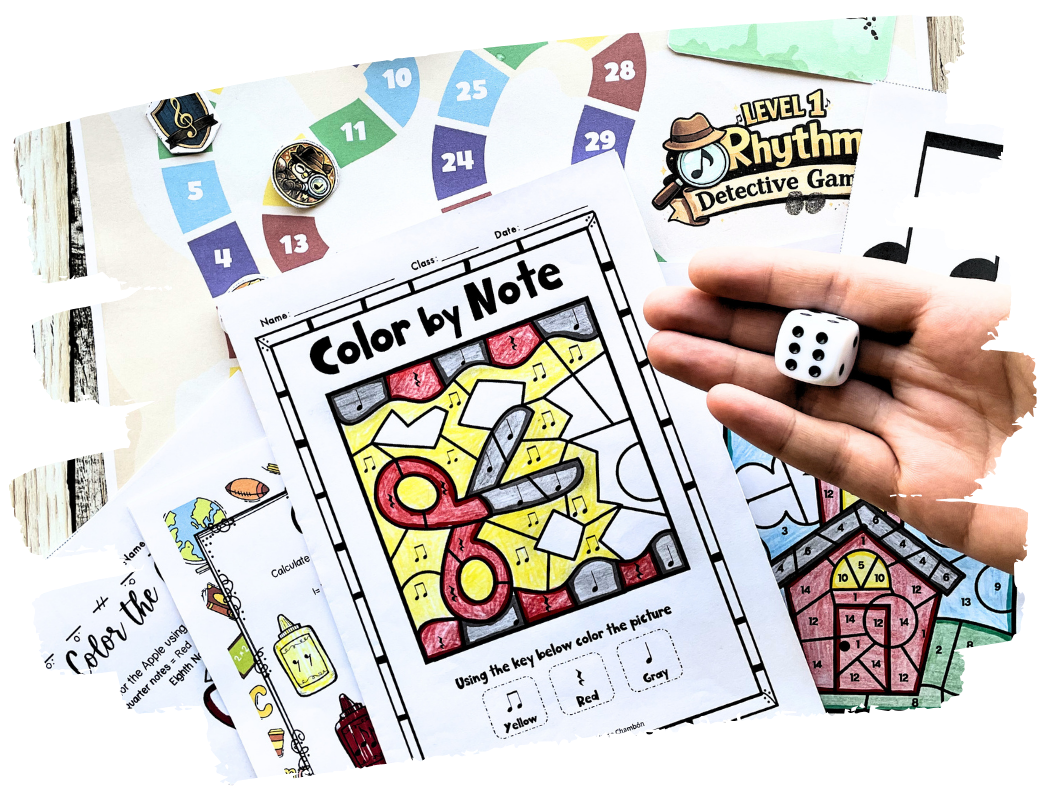
How I Teach Beginner Rhythm in Elementary Music: A Step-by-Step Sequence
Helping young students build rhythm skills through movement, play, and meaningful music-making. When I first started teaching music, I thought introducing rhythm meant showing students rhythm symbols as soon as possible. Quarter notes. Eighth notes. Half notes. Whole notes. Then I completed my certification in Edwin Gordon’s Music Learning Theory (MLT), and it completely changed the way I think about teaching music. I still teach rhythm notation. I still teach music theory. But I no longer start with the symbols. I start with music. Before my students ever read a quarter note, they’ve
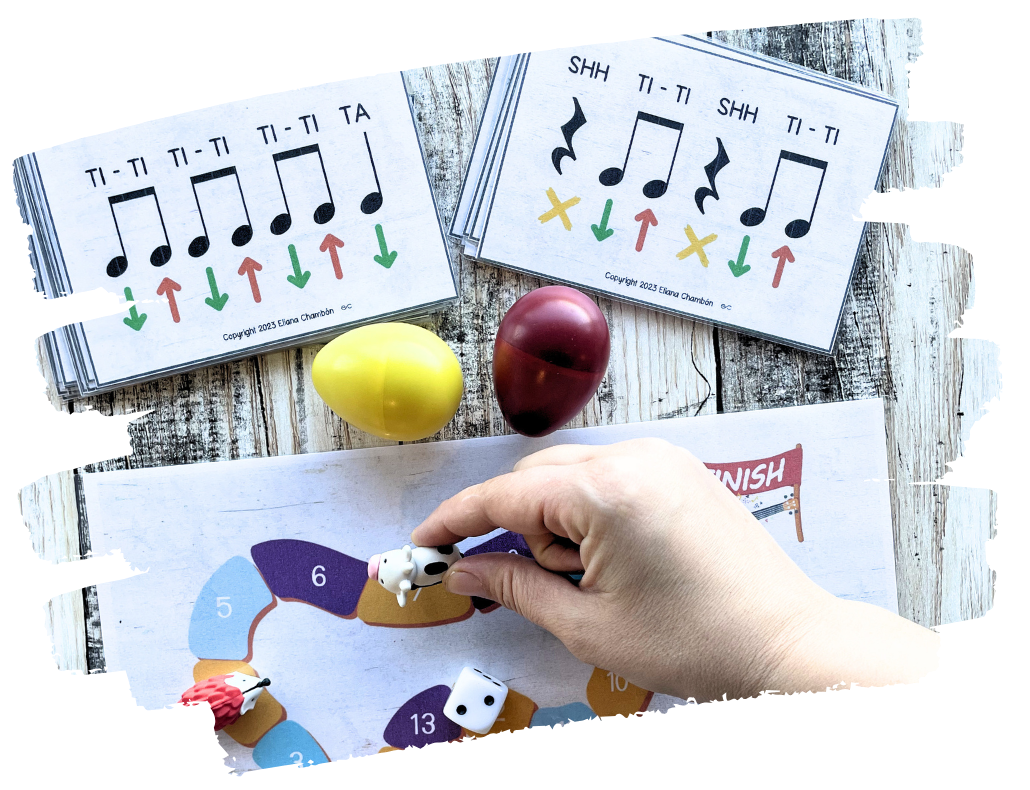
Ukulele Strumming Pattern Game: A Fun Way to Teach Rhythm and Strumming
Teaching with a ukulele strumming pattern game can make strumming practice more engaging and effective for beginners. Instead of repeating the same exercises over and over, students stay motivated while developing rhythm skills, coordination, and confidence on the instrument. Teaching ukulele strumming can be challenging because students are learning several skills at the same time. They are trying to keep a steady beat, move their strumming hand correctly, remember chord shapes, and coordinate everything together. For many beginners, strumming patterns can feel abstract and difficult to understand. One thing I
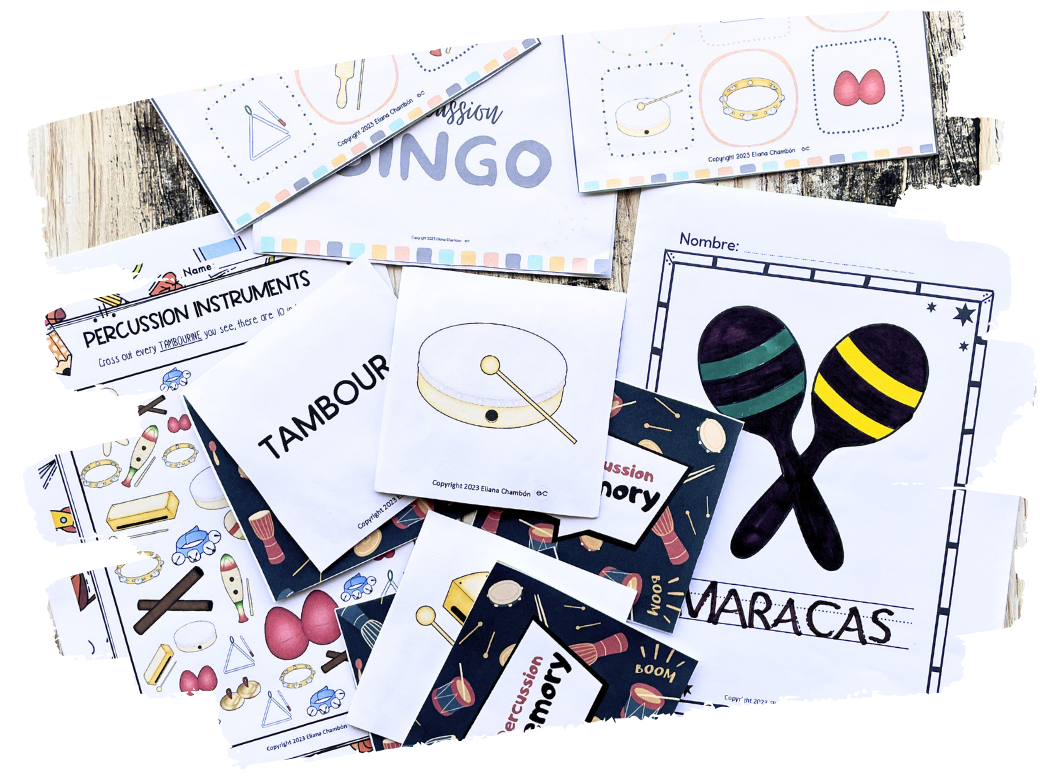
How to Teach Percussion Instruments in Elementary Music (With the Game That Changed My Life)
If you’ve ever wondered how to teach percussion instruments in elementary music in a way that feels engaging, meaningful, and memorable for students, this visual and game-based approach can completely transform your classroom. And honestly? It started with a game. The First Music Game That Changed My Life I grew up in a rural area of Uruguay. For many years, music class wasn’t really a thing at school. If we had music, it was mostly choir. We sang… and that was it. Then one day, something unexpected happened. My mom
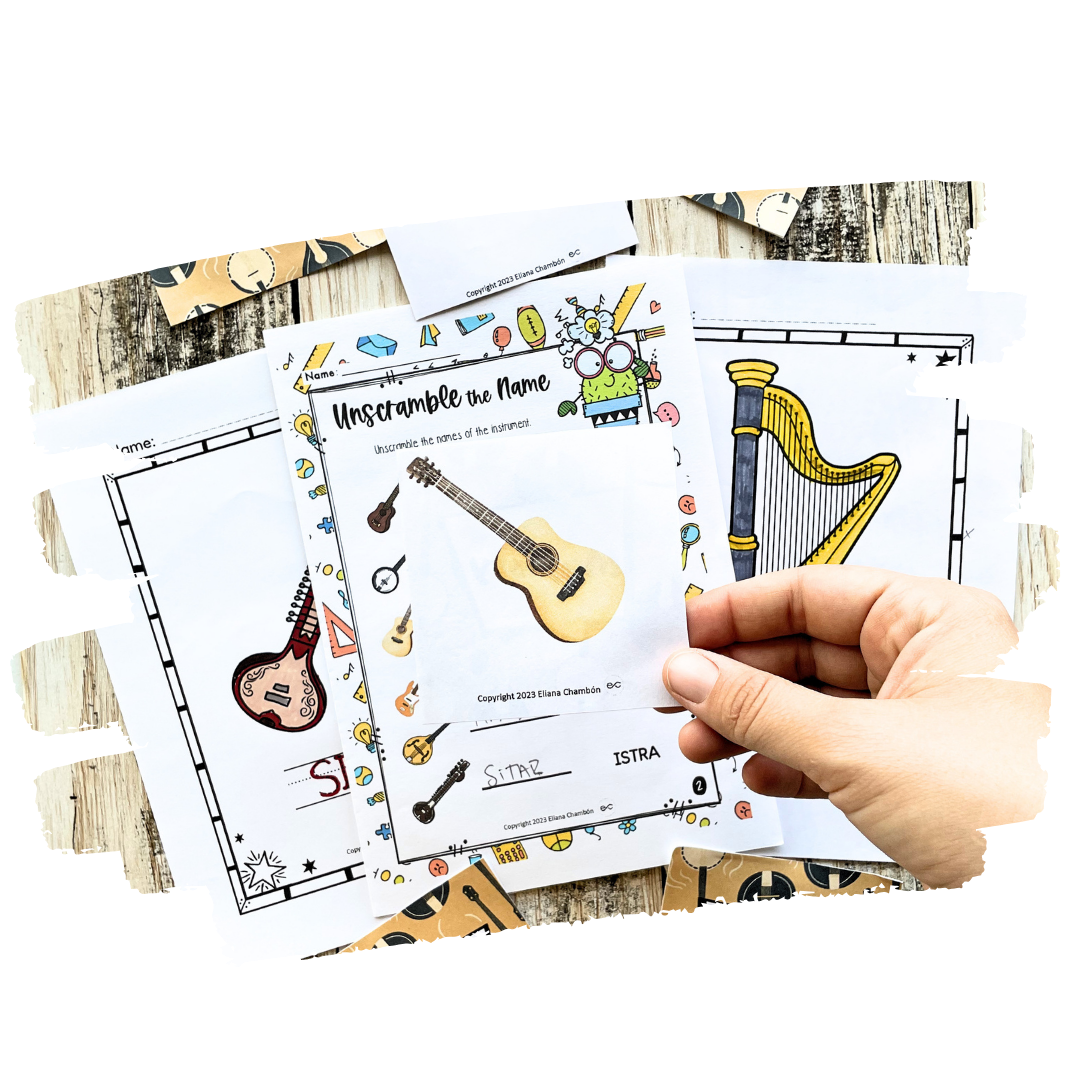
How I Teach Musical Instrument Families in Elementary Music: A Visual-First Approach
If you’ve ever wondered how to teach instrument families in elementary music in a way that actually sticks, this visual-first approach can make a huge difference. After years teaching grades 2–4, I realized students identify instruments much more successfully when they first learn to recognize them visually before moving into listening activities. Instead of starting with isolated listening examples, I begin with photos, videos, performances, sorting activities, and visual classification games that help students build strong mental connections between instruments and their families. In this post, I’m sharing the exact
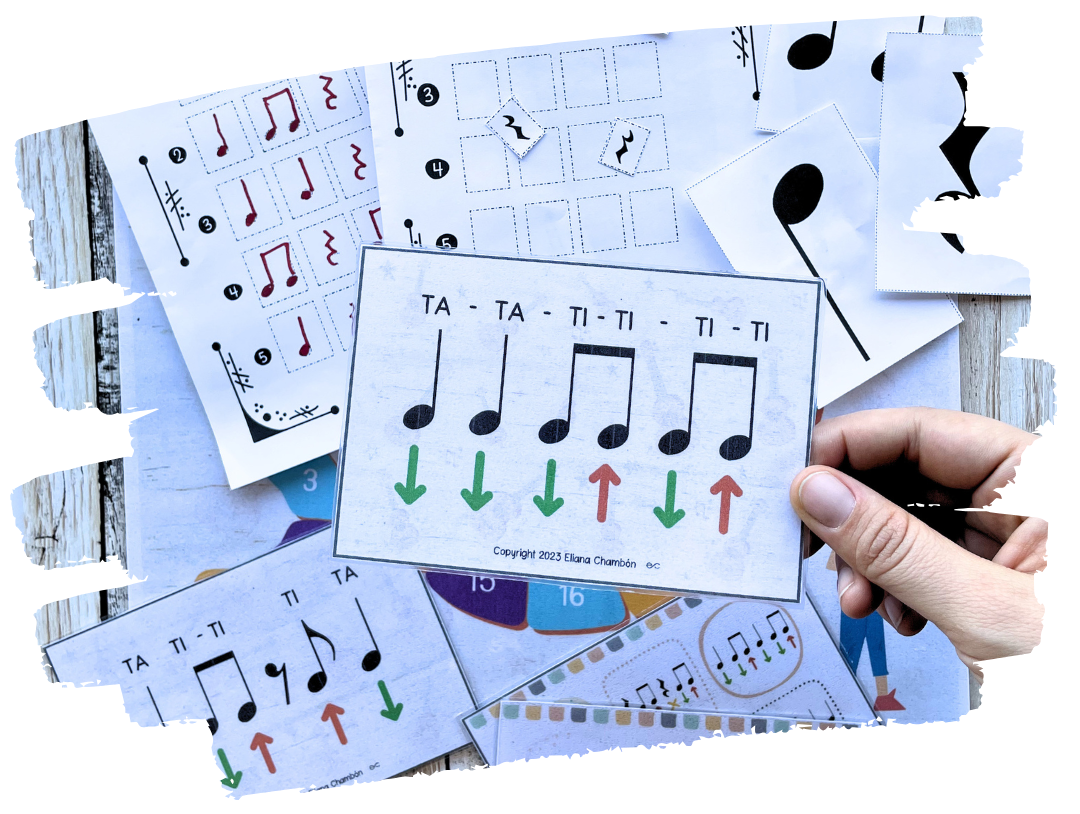
How to Teach Ukulele Strumming to Beginners Step by Step
How to teach ukulele strumming can be challenging, especially for young beginners. Many students are expected to learn chords, strumming patterns, and singing at the same time. As a result, they often feel overwhelmed. Over the years, I discovered that students learn strumming much better when rhythm is taught separately first. Therefore, before adding strumming patterns to songs, I focus on helping students understand rhythm through movement, listening, composition, and games. This approach builds confidence and makes the transition to the instrument much easier. Looking for ready-to-use ukulele strumming activities?The
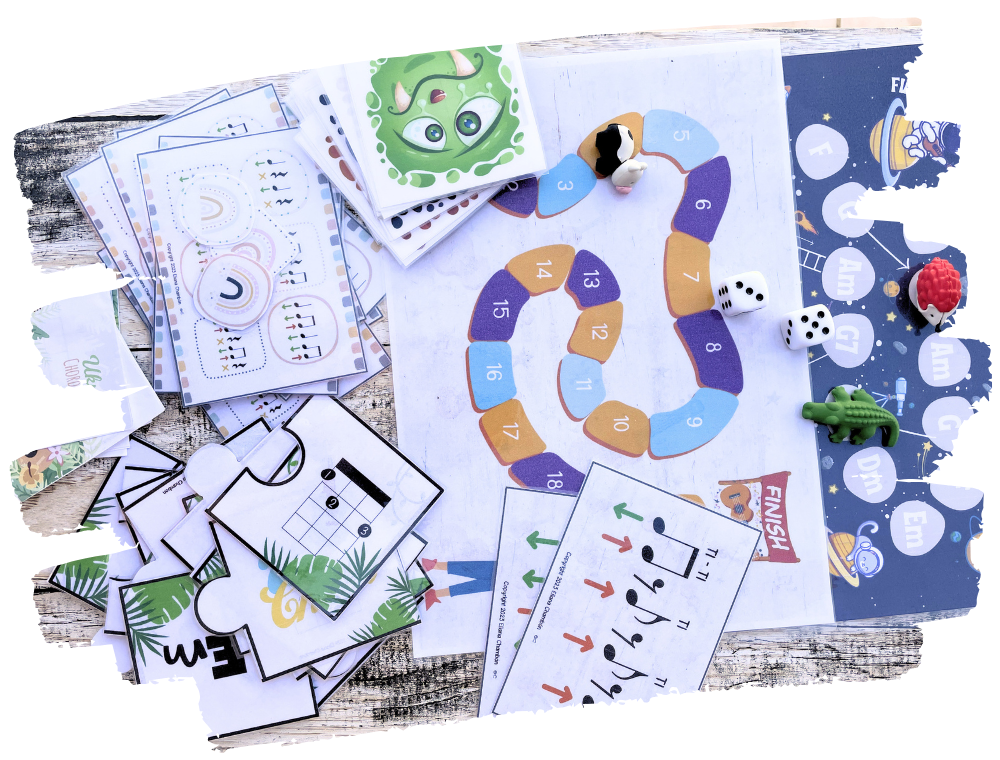
Ukulele Games for Beginners: How to Teach Chords and Strumming Through Play
🎸 Looking for engaging ukulele activities for your students?This bundle includes chord games, strumming practice, music centers, and printable activities designed for beginner ukulele learners.🇺🇸 Explore the Ukulele Games Bundle (English)🇪🇸 Explora el paquete de Juegos de Ukelele (Español) Teaching ukulele games to beginners doesn’t have to be complicated. In fact, after years of teaching small group classes, I’ve found that the best lessons combine structure, play, and meaningful repetition. Instead of relying on drills alone, I use games to reinforce learning in a natural way. As a result, students
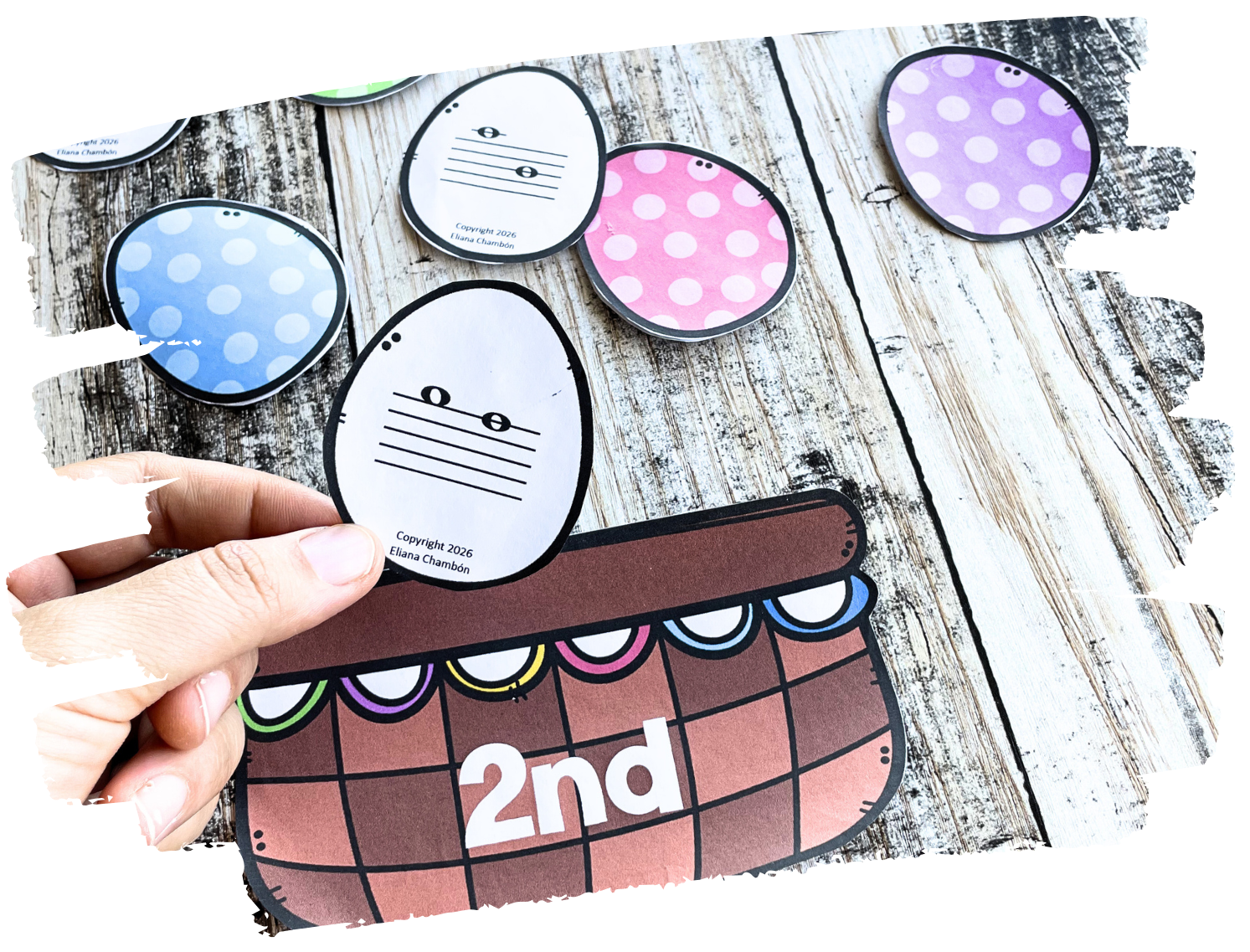
Easter Egg Hunt Music Class: 4 Fun Games for Rhythm, Piano, Ukulele & Intervals
Easter Egg Hunt Music: 4 Fun Games for Rhythm, Piano, Ukulele & Intervals When I think about Easter, one memory always comes back to me. Waking up excited. Running outside. Searching the garden for hidden chocolate eggs. That magical feeling of discovering something that was “just for me.” The Easter egg hunt has been part of childhood for generations. But what if we could bring that same excitement into Easter egg hunt music activities? That’s exactly what I set out to do. Where Does the Easter Egg Hunt Come From?
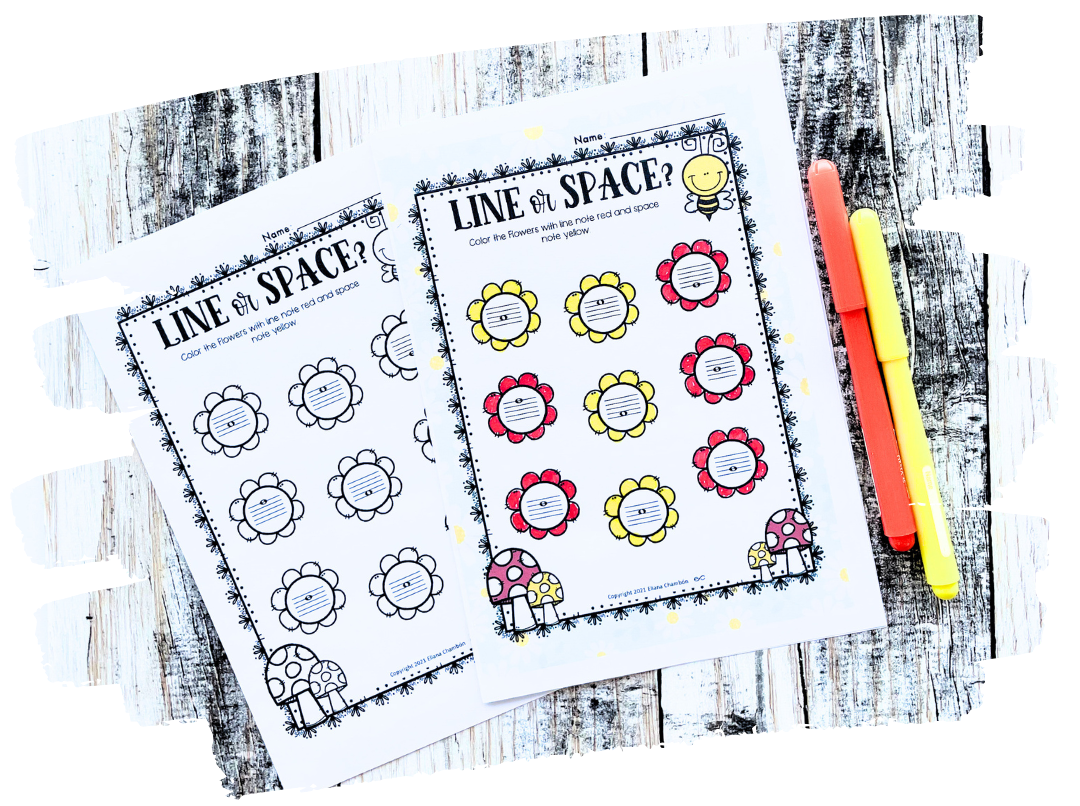
🌸 Easy Spring Music Activities for Elementary Students
Spring music worksheets are a fun way to review rhythm, note reading, and piano skills in elementary music classes. Seasonal activities help students stay engaged while reinforcing important music theory concepts. Spring often feels like a reset button in the music classroom. It’s not just because of flowers or Easter decorations — it’s the shift in energy. Students feel lighter. Classrooms feel brighter. This time of year becomes the perfect moment to refresh how students practice core music skills without changing the curriculum completely. You don’t need to reinvent your
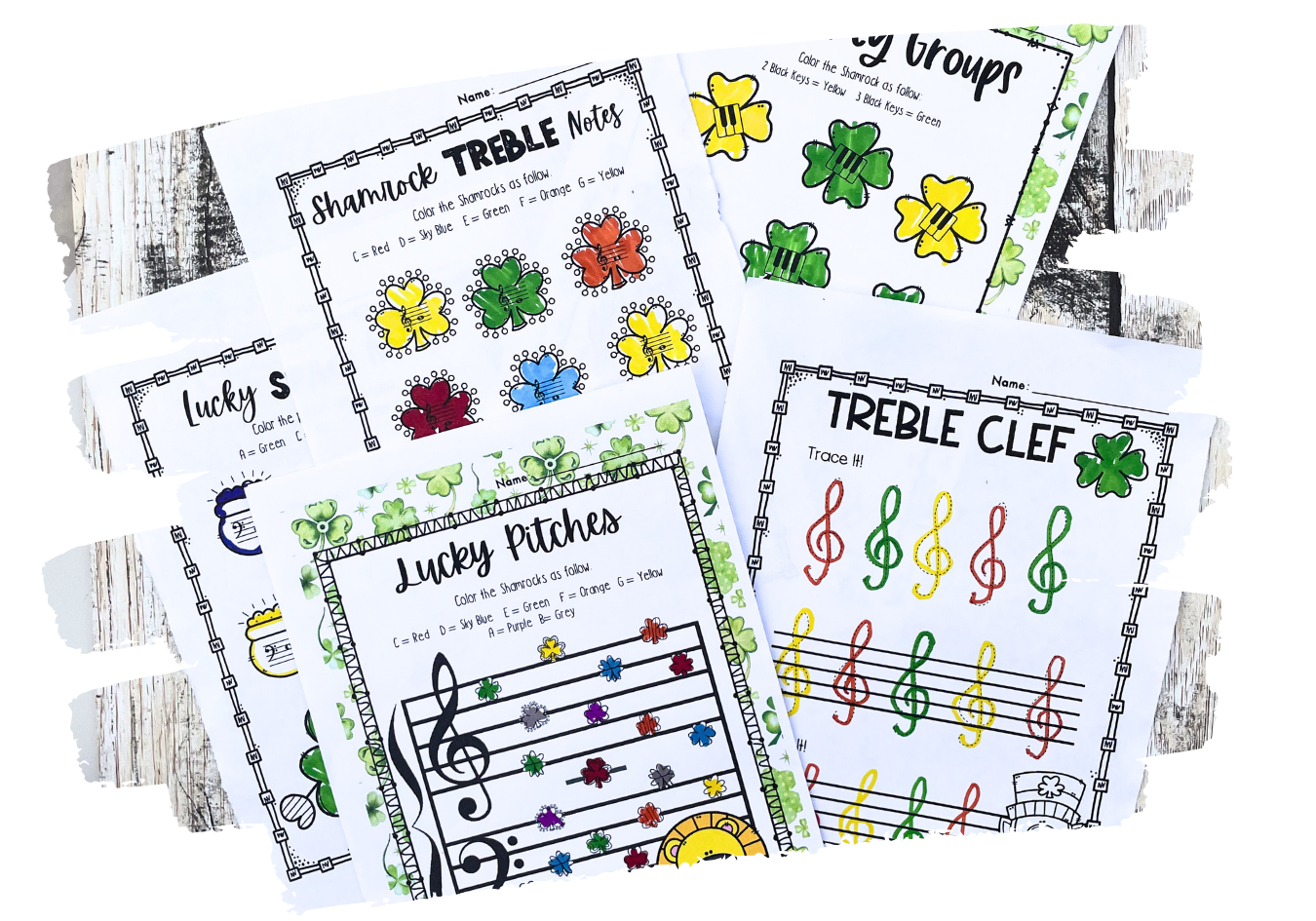
Why Seasonal Music Activities (Like St. Patrick’s Day) Actually Improve Learning
St. Patrick’s Day Music Activities are a perfect way to bring seasonal fun into your elementary music classroom while reinforcing rhythm, staff reading, and piano skills. When I was a child taking piano lessons, music theory felt… heavy. Worksheets. Pencils. No movement. No joy. I remember thinking that if I ever became a music teacher, I would find a different way. Music has rhythm, movement, energy — so why should learning it feel flat? That idea stayed with me. Today, I design music resources for teachers who want theory to