



Teaching Music on Valentine’s Day: When Learning Feels Good
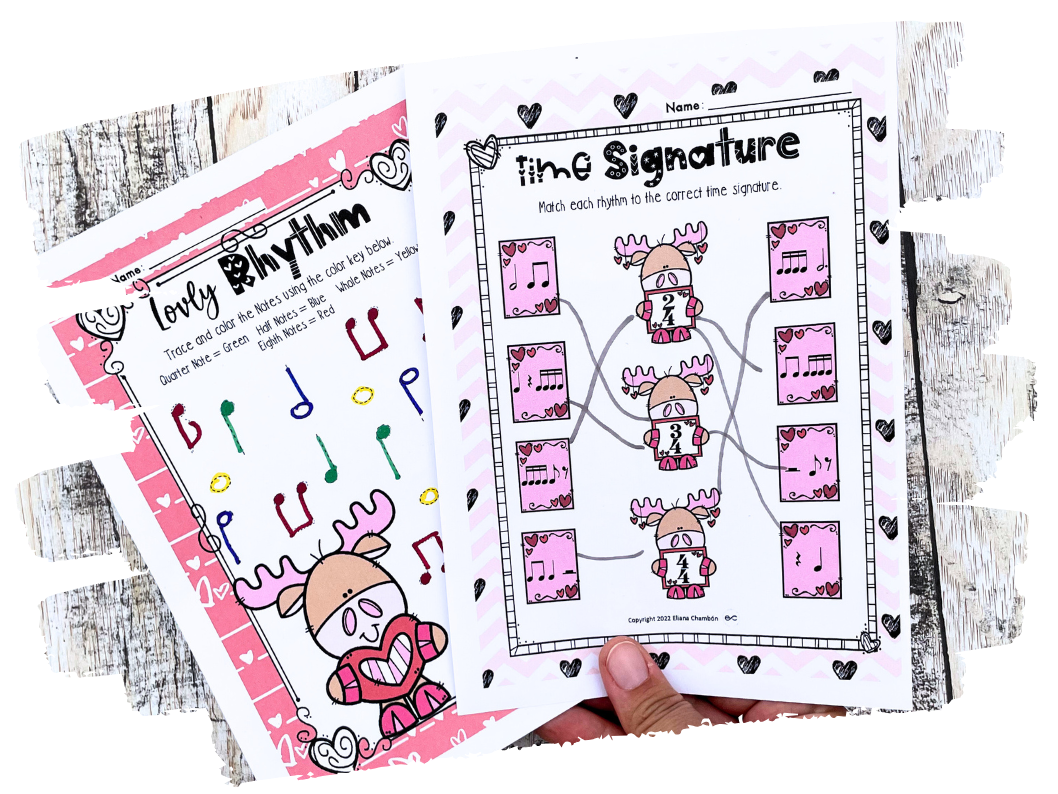
Valentine’s Day doesn’t have to be just about decorations and themed worksheets.
In the music classroom, it can become a powerful opportunity to teach with empathy, joy, and intention.
Because learning music isn’t only about reading notes or clapping rhythms.
It’s also about how students feel while learning.
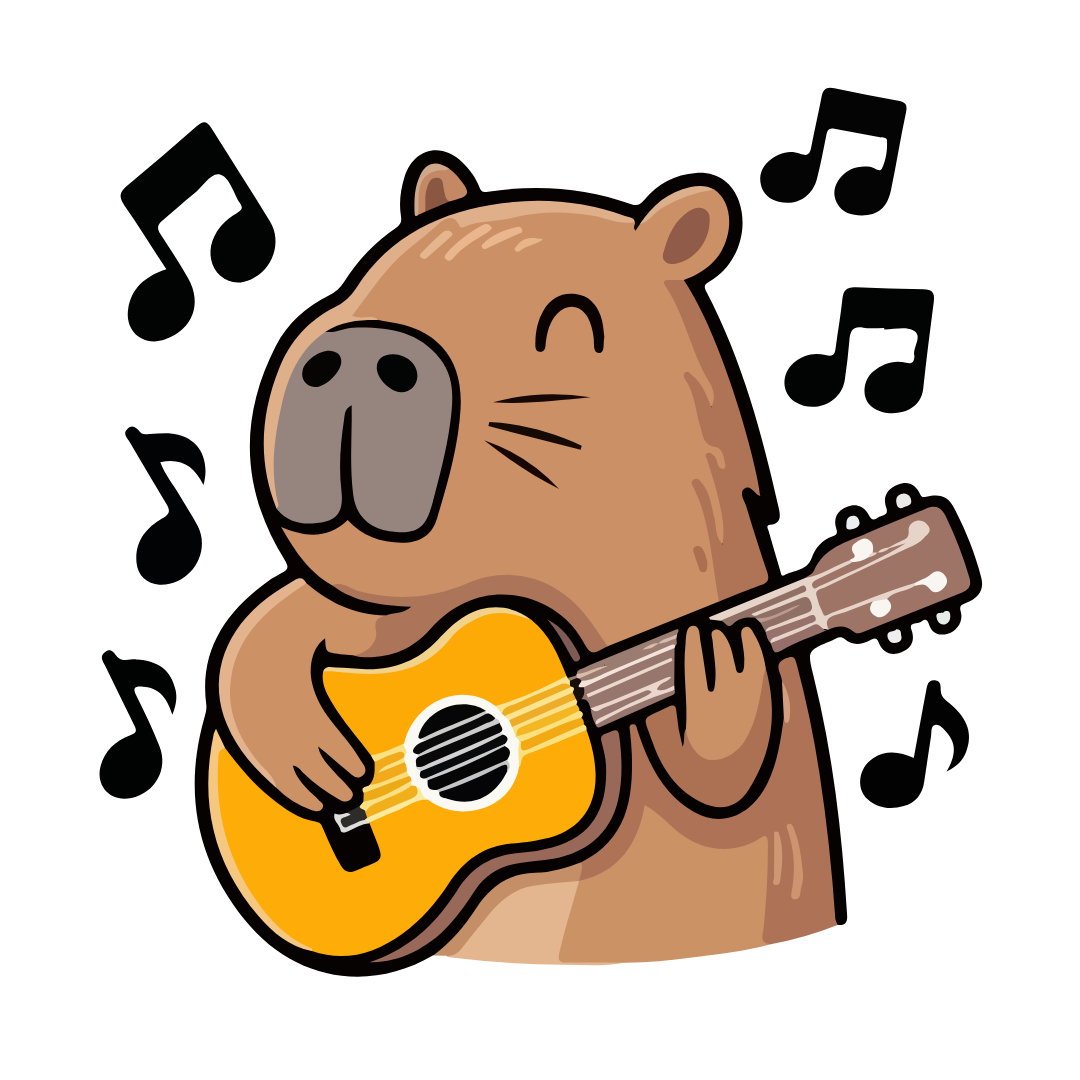
🦫 When Capybaras Entered My Music Classroom (and Stayed)
At the beginning of this year, I started noticing something curious in my music lessons.
My students —ages 6 to 11— arrived with capybaras everywhere.
Plush toys, backpacks, stickers, little figures… and they talked about them constantly.
And as often happens in my classroom, instead of ignoring the trend, I thought:
What if I use this excitement to motivate music learning?
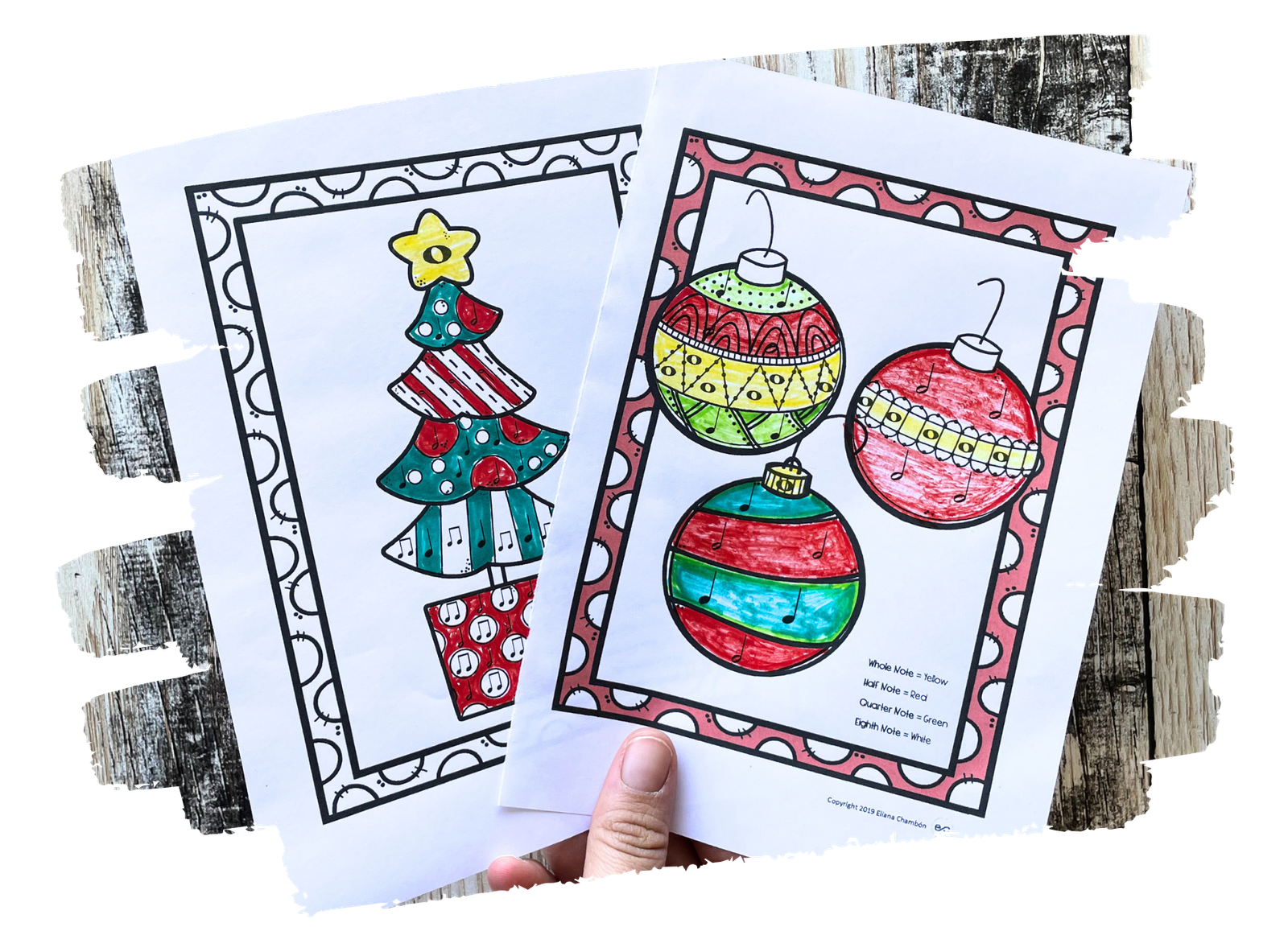
Easy, Festive & Classroom-Ready Music Activities for December (That Keep Students Engaged!)
December brings a very unique energy to the music classroom:
students are tired, attention spans drop, excitement rises, and everyone is counting down to winter break.
Planning music lessons during this time can feel overwhelming.
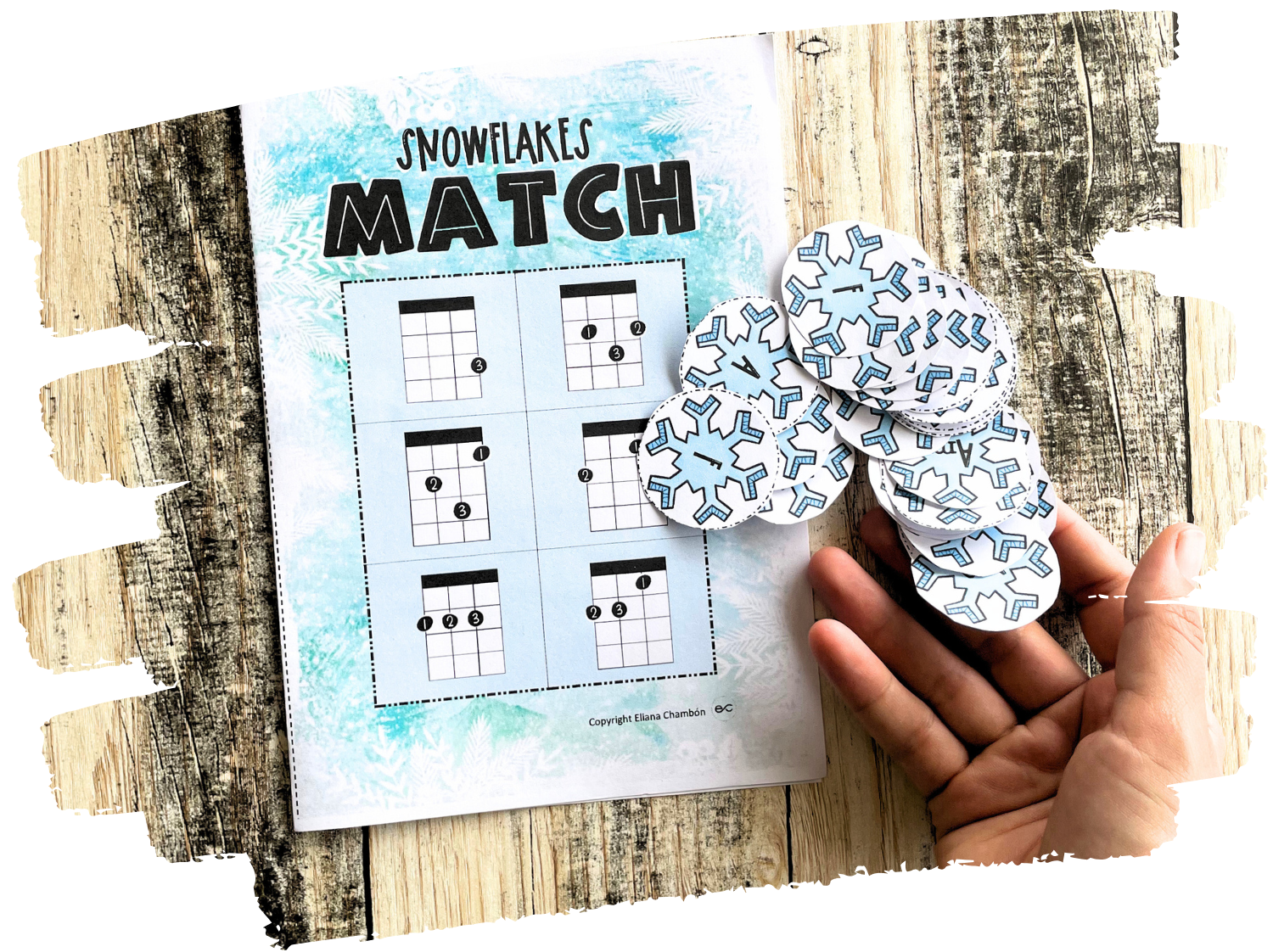
Ukulele Snowflake Bingo – A Free Winter Game for Music Class!
Are your students learning ukulele chords? 🎸
Then you’ll love this free winter-themed ukulele game, Ukulele Snowflake Match!
It’s a hands-on and super fun way for students to review chords, develop their ear, and practice chord shapes — while enjoying a festive, musical winter mood.
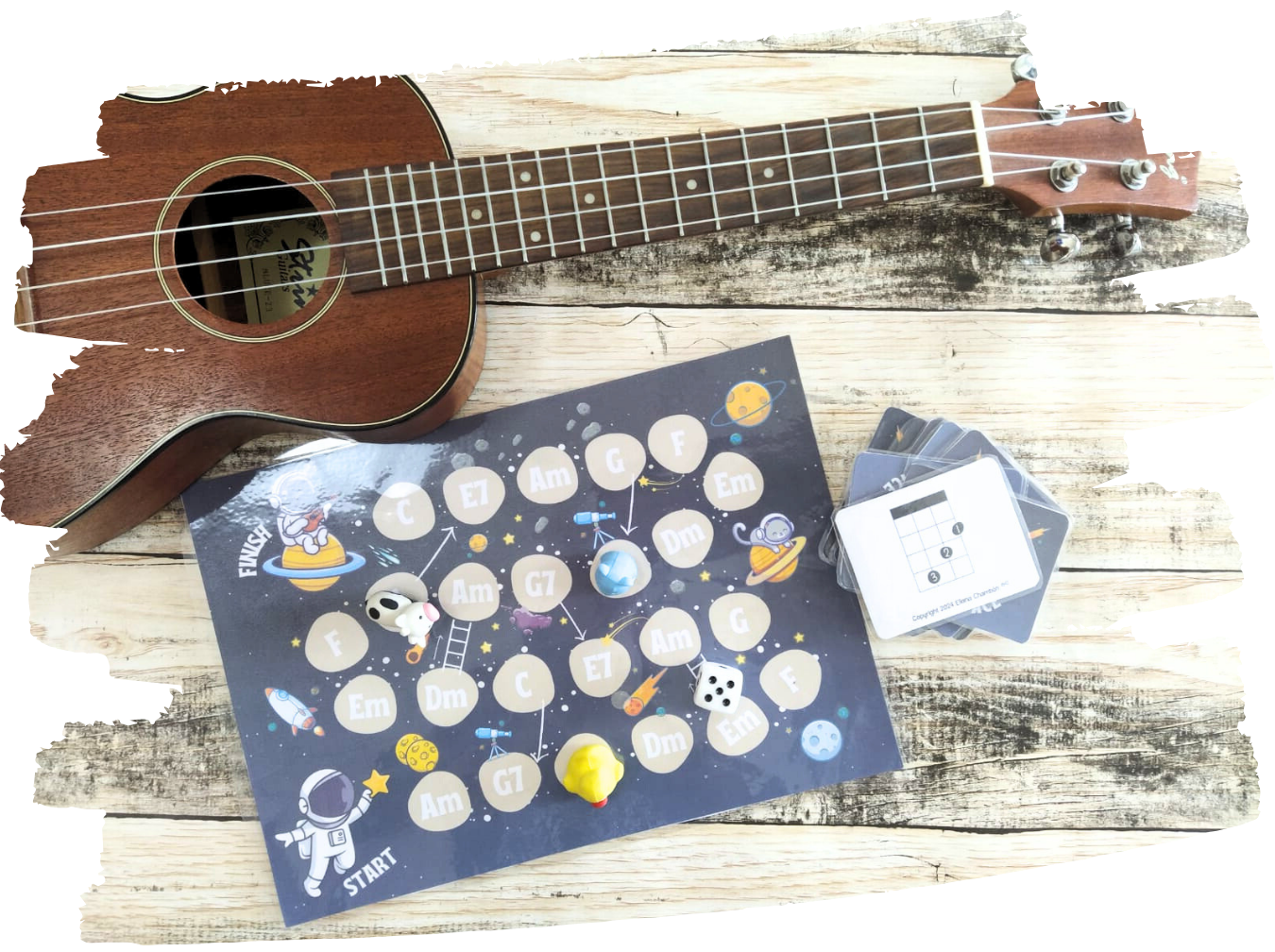
5 Resources to Teach and Reinforce Ukulele Chords (with Freebies Included)
Teaching ukulele to kids and beginners can be a challenge: how do you make chord practice fun, engaging, and frustration-free? In my classes, I like to introduce chords through games and hands-on activities, so students stay motivated while building technique and confidence.
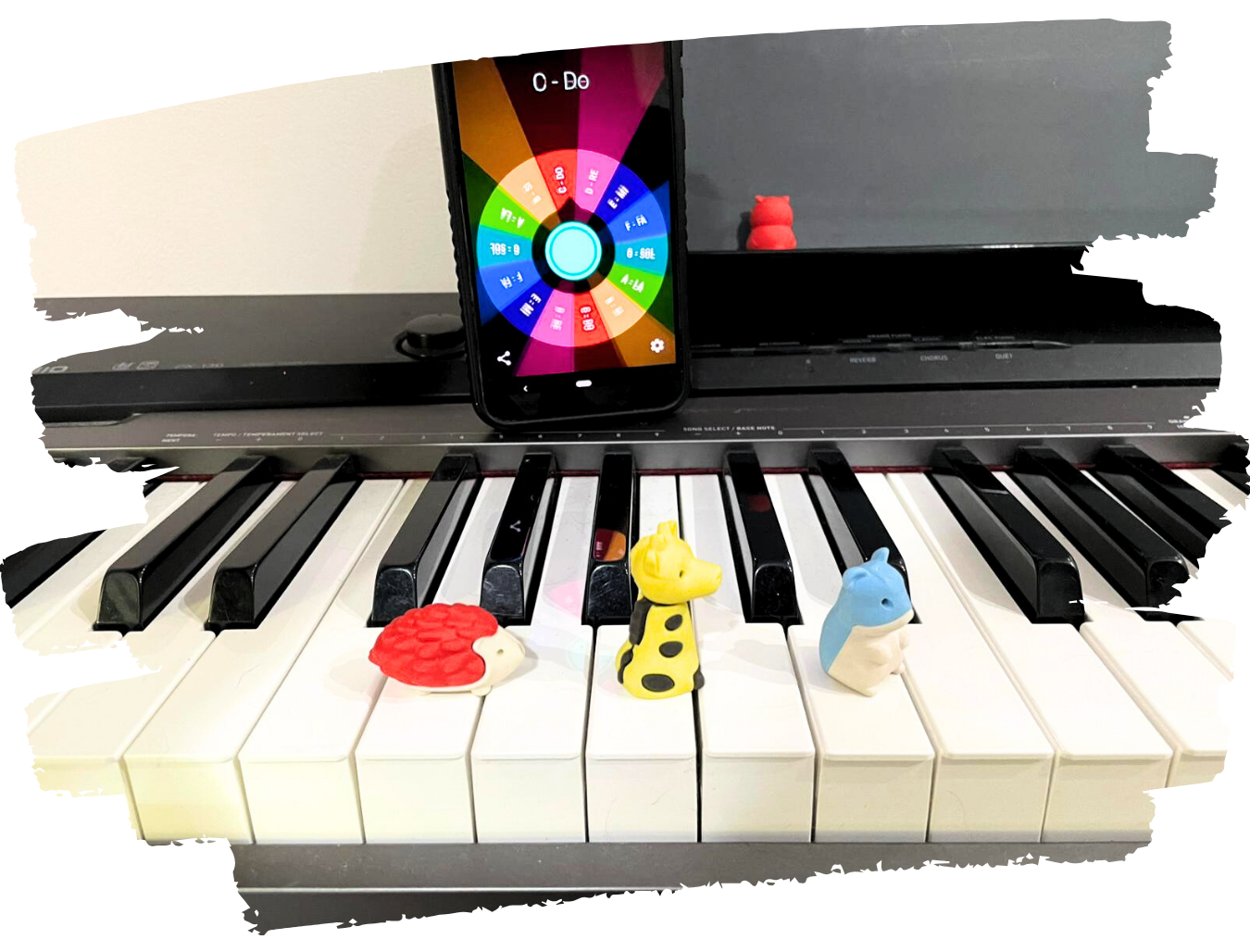
5 Fun Resources to Teach Piano Keys to Kids
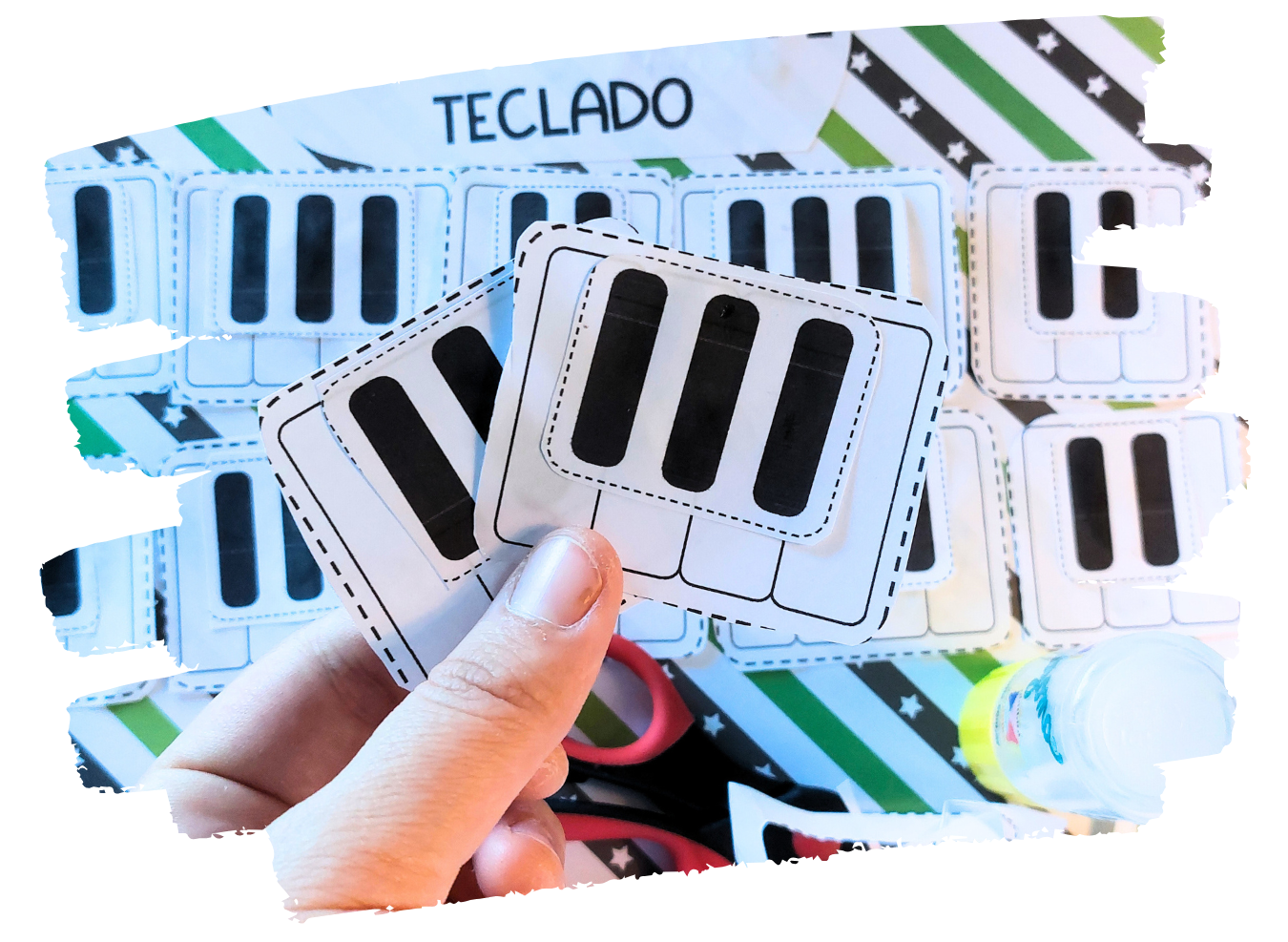
Teaching piano keys to beginners can be a real challenge. At first, kids often get lost among so many white and black keys, and if they can’t find the notes quickly, they may feel frustrated. That’s why in my lessons I like to introduce this concept in a playful, visual, and hands-on way, always with short and dynamic activities that keep motivation high.
How to Plan Your First Piano Lesson for Kids (Free Download Included)
The very first piano lesson is a decisive moment: children take home the first impression that will determine whether they want to continue or not. That’s why I love making it a fun, visual, and movement-filled experience—almost like kindergarten, but at the piano.